
Tirzepatide vs Retatrutide – The Frontier of Incretin Mimetic Research
The landscape of metabolic research has shifted dramatically with the introduction of multi-receptor agonists. While the previous decade focused on single-pathway GLP-1 agonists, 2026 marks the era of “Poly-agonists”—peptides designed to activate multiple metabolic pathways simultaneously.
At Analytical Peptides, we track the evolution from the dual-agonist success of Tirzepatide to the emerging triple-agonist potential of Retatrutide. This research perspective analyzes the molecular synergy, efficacy benchmarks, and physiological implications of these two powerhouse compounds.
1. Mechanism of Action: Two Targets vs. Three
The fundamental difference between these two peptides lies in their receptor recruitment strategies.
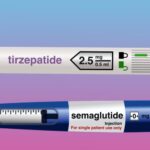
Tirzepatide: The Dual Agonist (Twincretin)
Tirzepatide is a synthetic peptide that acts as a dual agonist at the:
- GLP-1 (Glucagon-like Peptide-1) Receptor
- GIP (Glucose-dependent Insulinotropic Polypeptide) Receptor
By activating both, Tirzepatide leverages “synergistic metabolic signaling.” While GLP-1 focuses heavily on gastric emptying and appetite suppression, GIP plays a critical role in lipid metabolism and reducing the nausea often associated with pure GLP-1 agonists.
Retatrutide: The Triple Agonist (GGG)/Tirzepatide vs Retatrutide
Retatrutide (LY3437943) advances the science further by adding a third target. It is a “tri-agonist” targeting:
- GLP-1 Receptor
- GIP Receptor
- Glucagon Receptor (GCGR)
The addition of the Glucagon receptor is the “game changer.” Unlike the other two, which primarily manage “input” (appetite), Glucagon agonism increases “output” by elevating energy expenditure and stimulating lipolysis (fat breakdown) directly in the liver.
2. Comparative Research Data (2025–2026)
In head-to-head network meta-analyses and clinical trial data available as of 2026, the performance gap between these two compounds is significant.
| Feature | Tirzepatide (Dual) | Retatrutide (Triple) |
| Receptor Targets | GLP-1, GIP | GLP-1, GIP, Glucagon |
| Mean Weight Loss | ~20.9% (at 72 weeks) | ~24.2% (at 48 weeks) |
| A1C Reduction | Up to 2.3% | Up to 2.2% |
| Primary Advantage | Established safety profile | Faster, deeper weight loss |
| Metabolic Focus | Glycemic control & satiety | Thermogenesis & lipid oxidation |
Data Source: 2026 Meta-Analysis of TRIUMPH and SURMOUNT trial results.
3. The “Glucagon Paradox” in Retatrutide
A common question in peptide research is why a weight-loss peptide would target the Glucagon receptor, which traditionally raises blood sugar.
The Analytical Peptides Explanation:
In Retatrutide, the GLP-1 and GIP components effectively “buffer” the glycemic rise that glucagon would normally cause. This allows the researcher to harness the thermogenic benefits of glucagon—increasing the basal metabolic rate—without the negative side effect of hyperglycemia. This makes Retatrutide a potent tool for studying “metabolic flexibility.”
4. Research Stability and Reconstitution
Both peptides require precise handling to maintain the integrity of their amino acid sequences.
- Tirzepatide: A 39-amino acid linear peptide. It is relatively stable but highly sensitive to pH levels.
- Retatrutide: A fatty-acid modified 39-amino acid peptide. The addition of the fatty acid side chain increases its half-life to approximately 6 days, making it ideal for weekly research protocols.
Reconstitution Formula:
For a standard 5mg vial to achieve a $5mg/mL$ concentration:
$$V_{solvent} = \frac{Mass_{peptide}}{Concentration_{desired}} = \frac{5mg}{5mg/mL} = 1.0mL$$
5. Side Effect Profiles and Tolerability
Because Retatrutide pulls three metabolic levers instead of two, research indicates a slightly different side effect profile.
- Gastrointestinal (GI): Both compounds show similar rates of nausea and diarrhea, usually during the titration phase.
- Heart Rate: Retatrutide has shown a transient increase in heart rate in some subjects, likely due to the sympathetic activation caused by the glucagon receptor.
- Liver Health: Retatrutide is showing superior results in research involving MASH (Metabolic Dysfunction-Associated Steatohepatitis) due to its direct action on liver fat oxidation.
6. Why Retatrutide is the “Future” for 2026
Tirzepatide For SaleWhile Tirzepatide remains the “gold standard” for reliability and dual-action efficacy, Retatrutide represents the next logical step in peptide engineering. Its ability to address obesity, Type 2 Diabetes, and Fatty Liver Disease simultaneously through a single molecular scaffold makes it a primary focus for advanced researchers at Analytical Peptides.
7. Sourcing and Quality Control for Researchers
In 2026, the market is flooded with low-quality analogs. For meaningful data, researchers must ensure:
- Purity >99%: Verified by HPLC.
- Correct Sequence Identity: Verified by LC-MS.
- TFA Removal: High levels of Trifluoroacetic acid can interfere with cell culture studies; look for “Acetate” or “TFA-free” versions when required.
Conclusion: Selecting the Right Peptide for Your Study
The choice between Tirzepatide and Retatrutide depends on the specific goals of your research:
- Choose Tirzepatide for established protocols focusing on dual-incretin pathways and appetite modulation.
- Choose Retatrutide for cutting-edge studies exploring thermogenesis, liver fat clearance, and maximum weight-reduction potential.
Analytical Peptides continues to lead the industry by providing both compounds with rigorous third-party verification, ensuring your research is built on a foundation of precision.
Research Notice: All peptides mentioned, including Tirzepatide and Retatrutide, are intended strictly for laboratory research purposes only. They are not for human or animal consumption.