
Semaglutide 2026 Research Update: Latest Scientific Insights & Trends
Introduction: Semaglutide 2026 Research Update
The Semaglutide 2026 Research Update highlights the latest advancements in one of the most extensively studied GLP-1 receptor agonist peptides. As peptide science continues to evolve, Semaglutide remains at the forefront of metabolic, endocrine, and signaling pathway research.
With ongoing studies expanding into multi-pathway interactions, long-acting formulations, and enhanced receptor targeting, Semaglutide continues to play a pivotal role in modern laboratory investigations.
This update provides a comprehensive overview of recent findings, emerging trends, and future directions in Semaglutide research.
What is Semaglutide?
Semaglutide is a synthetic GLP-1 (Glucagon-Like Peptide-1) receptor agonist designed to mimic the natural incretin hormone involved in metabolic regulation.
Core Functions in Research
- Modulates insulin secretion
- Influences glucose metabolism
- Affects appetite signaling pathways
- Slows gastric emptying processes
Its long-acting structure makes it particularly valuable in extended-duration research studies.
Key Research Developments in 2026
1. Expanded Metabolic Pathway Research
Recent studies are exploring how Semaglutide interacts with broader metabolic systems beyond the GLP-1 pathway, including:
- Energy balance regulation
- Hormonal cross-talk mechanisms
- Cellular signaling networks
This shift reflects a growing interest in integrated metabolic research models.
2. Long-Acting Peptide Optimization
In 2026, researchers are focusing on improving:
- Peptide stability
- Duration of receptor activation
- Resistance to enzymatic degradation
These improvements aim to enhance consistency and efficiency in laboratory environments.
3. Combination Peptide Research
Semaglutide is increasingly being studied alongside other peptides to evaluate:
- Synergistic effects
- Multi-receptor activation
- Enhanced metabolic outcomes
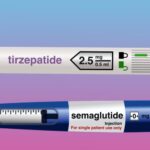
This trend aligns with the rise of dual and triple agonist peptides like Tirzepatide and Retatrutide.
Semaglutide vs Next-Generation Peptides
| Feature | Semaglutide | Tirzepatide | Retatrutide |
|---|---|---|---|
| Receptor Targets | GLP-1 | GLP-1 + GIP | GLP-1 + GIP + Glucagon |
| Complexity | Moderate | High | Very High |
| Research Scope | Focused | Expanded | Broad |
Semaglutide remains a benchmark compound, while newer peptides explore multi-pathway activation.
Advancements in GLP-1 Research
GLP-1 receptor studies have evolved significantly:
- Improved understanding of receptor binding
- Enhanced modeling of metabolic pathways
- Better simulation of hormonal signaling
Semaglutide continues to serve as a foundation for GLP-1 research advancements.
Emerging Research Applications
1. Metabolic Signaling Studies
Exploring how Semaglutide influences complex metabolic networks.
2. Hormonal Regulation Models
Analyzing interactions between insulin and other endocrine signals.
3. Energy Balance Research
Studying appetite and energy expenditure pathways.
4. Long-Term Peptide Stability Studies
Evaluating sustained activity over extended periods.
Why Semaglutide Remains Relevant in 2026
Despite newer peptides entering the field, Semaglutide remains essential due to:
- Extensive research data
- Well-understood mechanism
- Reliable and reproducible results
- Strong foundation for comparative studies
Peptide Engineering Trends in 2026
The peptide industry is moving toward:
- Multi-receptor agonists
- Long-acting formulations
- Precision-targeted peptides
- Enhanced stability and purity
Semaglutide continues to influence these innovations as a reference compound.
Quality Standards for Semaglutide Research
To ensure accurate results:
- Use ≥99% purity peptides (HPLC tested)
- Verify molecular weight via mass spectrometry
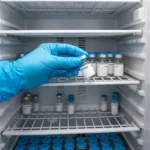
- Store at 2–8°C
- Avoid repeated freeze-thaw cycles
High-quality sourcing is critical for data reliability.
Future Outlook for Semaglutide
Looking ahead, Semaglutide research is expected to focus on:
- Integration with multi-agonist systems
- Enhanced receptor specificity
- Advanced metabolic modeling
- Improved peptide delivery methods
Its role as a core research peptide is expected to remain strong.
Compliance and Disclaimer
All Semaglutide products are:
- Intended strictly for research purposes only
- Not for human consumption
- Not for therapeutic or medical use
Always follow laboratory safety and regulatory standards.
Conclusion: Semaglutide 2026 Research Update
The Semaglutide 2026 Research Update confirms its continued importance in peptide science.
While newer compounds like Tirzepatide and Retatrutide expand the scope of metabolic research, Semaglutide remains a trusted, well-established foundation for studying GLP-1 pathways and beyond.
For researchers seeking consistency, reliability, and depth, Semaglutide continues to be a cornerstone peptide in modern laboratory research.