

Semaglutide vs Tirzepatide: Complete Research Comparison Guide (2026)
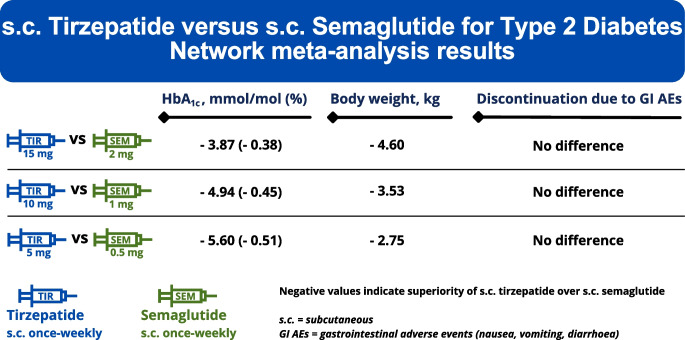
The comparison between Semaglutide vs Tirzepatide has become one of the most searched topics in modern metabolic peptide research. These two compounds are widely studied for their roles in glucose regulation, metabolic signaling, and appetite-related pathways, making them central to ongoing laboratory investigations.
While both peptides are associated with incretin-based mechanisms, they differ significantly in their receptor activity, biological pathways, and research applications. Understanding these differences is essential for researchers exploring advanced peptide-based metabolic models.
What is Semaglutide?
Semaglutide is a GLP-1 (Glucagon-Like Peptide-1) receptor agonist designed to mimic the natural incretin hormone involved in glucose metabolism and appetite regulation.
Key Characteristics
- Selective GLP-1 receptor activation
- Long-acting peptide structure
- High stability in controlled environments
Research Focus Areas
- Glucose metabolism studies
- Appetite signaling pathways
- Insulin secretion dynamics
- Gastric emptying mechanisms
Semaglutide is often used in research models that focus on single-pathway metabolic modulation.
What is Tirzepatide?
Tirzepatide is a dual agonist peptide that targets both:
- GLP-1 receptors
- GIP (Glucose-dependent insulinotropic polypeptide) receptors
This dual-action mechanism allows Tirzepatide to influence multiple metabolic pathways simultaneously, making it a next-generation compound in peptide research.
Key Characteristics
- Dual incretin receptor activation
- Enhanced metabolic signaling potential
- Broader biological interaction
Research Focus Areas
- Multi-pathway metabolic regulation
- Insulin sensitivity studies
- Energy balance research
- Hormonal interaction analysis
Semaglutide vs Tirzepatide: Mechanism of Action
Semaglutide Mechanism
- Activates GLP-1 receptors
- Enhances insulin secretion
- Slows gastric emptying
- Influences appetite signaling
Tirzepatide Mechanism
- Activates both GLP-1 and GIP receptors
- Amplifies insulin response
- Modulates energy balance more broadly
- Engages multiple metabolic pathways
Key Differences Between Semaglutide and Tirzepatide
| Feature | Semaglutide | Tirzepatide |
|---|---|---|
| Type | GLP-1 agonist | Dual GLP-1 & GIP agonist |
| Pathways | Single | Dual |
| Mechanism | Targeted incretin effect | Multi-pathway effect |
| Research Use | Glucose & appetite studies | Advanced metabolic research |
| Complexity | Moderate | High |
Metabolic Research Comparison
In Semaglutide vs Tirzepatide research, the key distinction lies in pathway coverage:
- Semaglutide → Focused, targeted GLP-1 pathway
- Tirzepatide → Expanded metabolic influence via dual receptors
This makes Tirzepatide particularly valuable in complex metabolic studies, while Semaglutide remains essential for controlled, pathway-specific research.
Insulin and Glucose Response Studies
Both peptides are frequently studied for their role in insulin dynamics:
Semaglutide
- Improves insulin signaling
- Regulates glucose levels via GLP-1 pathway
Tirzepatide
- Enhances insulin response more broadly
- Combines GLP-1 and GIP effects
- Offers deeper insights into metabolic synergy
Why Tirzepatide is Considered Next-Generation
Tirzepatide represents a shift toward multi-functional peptide design:
- Combines two incretin pathways
- Provides broader metabolic coverage
- Enables more complex research models
This positions it as a next-level compound in peptide science.
Why Semaglutide Remains Highly Relevant
Despite newer compounds, Semaglutide remains critical due to:
- Extensive research data
- Well-understood mechanism
- Reliable and consistent results
It continues to be a benchmark peptide in metabolic research.
Research Applications: Semaglutide
- GLP-1 receptor studies
- Appetite signaling models
- Glucose metabolism research
- Hormonal regulation experiments
Research Applications: Tirzepatide
- Dual incretin pathway studies
- Advanced metabolic modeling
- Insulin sensitivity research
- Energy balance investigations
Choosing Between Semaglutide and Tirzepatide
Choose Semaglutide if:
- You need targeted GLP-1 research
- You are studying specific metabolic pathways
- Simplicity and precision are required
Choose Tirzepatide if:
- You want multi-pathway interaction
- You are studying complex metabolic systems
- Broader biological effects are needed
Peptide Research Trends in 2026
The peptide industry is evolving toward:
- Multi-receptor agonists
- Precision metabolic compounds
- Long-acting peptide formulations
- High-purity research standards
Websites like Analytical Peptides support this evolution by offering research-grade peptides with verified quality and consistency.
Quality Assurance in Peptide Research
For accurate research outcomes:
- Use ≥99% purity peptides
- Verify third-party testing
- Ensure proper storage (2–8°C)
- Source from trusted suppliers
Quality directly impacts data reliability and reproducibility.
Compliance and Disclaimer
All peptides mentioned are:
- Intended strictly for research purposes only
- Not for human consumption
- Not for therapeutic or medical use
Always comply with local regulations and laboratory standards.
Conclusion: Semaglutide vs Tirzepatide
The comparison between Semaglutide vs Tirzepatide highlights a major evolution in peptide science:
- Semaglutide → Focused, well-established metabolic pathway research
- Tirzepatide → Advanced, multi-pathway metabolic exploration
Both compounds are essential tools in modern research, offering distinct but complementary advantages depending on experimental goals.













One thought on “Semaglutide vs Tirzepatide: 2026 Weight Loss Research Comparison”